Skip to content
Get a Free Quote · 24/7 Emergency
Plumbers In Hull
Blocked drain specialists covering Withernsea, East Yorkshire
Trusted local drainage specialists

Blocked Drains in Withernsea

Local engineers available across Withernsea and surrounding areas for urgent and planned drainage work.

  • Fast response across Hull
  • Fixed pricing with no hidden extras
  • Fully insured drainage engineers
  • 24/7 emergency availability
Fast response Fixed pricing Fully insured Local engineers

Request your free quote

Free, no-obligation — we'll call you back fast.

Local response in Withernsea

We attend homes and businesses across Withernsea with rapid callout availability and clear fixed pricing.

  • Typical urgent response target: same day
  • Common callouts: blocked sinks, toilets, and outside drains
  • Coverage includes nearby neighbourhoods and links roads

Where we cover in Withernsea

Drainage in Withernsea

Withernsea is a seaside town on the Holderness coast, south-east of Hull, facing the North Sea. Its drainage is defined by its exposed coastal setting: soft boulder-clay ground on one of the fastest-eroding coastlines in Europe, a low-lying seafront protected by sea defences, and a stock of Victorian and Edwardian resort housing. The town's landmarks, from the inland Withernsea Lighthouse to the castellated Pier Towers on the promenade, are reminders of its heyday as a Victorian seaside resort, and much of its housing dates from that era.

The Holderness coast here is made of soft glacial till, or boulder clay, rather than rock, and it retreats steadily under the North Sea. This clay-rich ground holds water and moves readily, so drainage pipes can settle, shift and open at the joints, creating the low spots where waste collects. The town sits low against the sea behind its defences, so the water table is high near the seafront, and drainage has to contend with both a saturated subsoil and the risk of surface water backing up during storms and high tides.

Salt is a constant factor. The salt-laden air along the promenade and seafront accelerates corrosion of any exposed cast iron soil stacks, vent pipes and external metalwork, and properties directly facing the sea suffer the most. Combined with the high water table, this makes coastal wear on drainage components noticeably faster than at inland towns.

The Victorian and Edwardian terraces and villas around Queen Street, the promenade and the town centre were built for the resort trade, often as guest houses, and many have since been converted to permanent homes or holiday lets. Their ageing clay drainage, laid for different patterns of use, is prone to joint failure, silting and capacity problems. Inter-war and later housing, along with modern development on the edges of town, adds clay, pitch-fibre and plastic drainage of varying ages, all sharing the same coastal conditions.

Yorkshire Water is the water and sewerage undertaker for Withernsea, while the Environment Agency oversees coastal flood and erosion risk along the Holderness coast. During the combination of heavy rain and a high tide, the drainage network's ability to discharge can be reduced, so low-lying seafront properties benefit from backflow protection.

Our engineers understand Withernsea's exposed coastal character, from boulder-clay ground movement and salt corrosion to the high water table behind the sea defences. Whether we are re-laying a settled drain, replacing a corroded stack, or protecting a seafront property against storm backflow, we bring drainage expertise suited to this North Sea resort town.

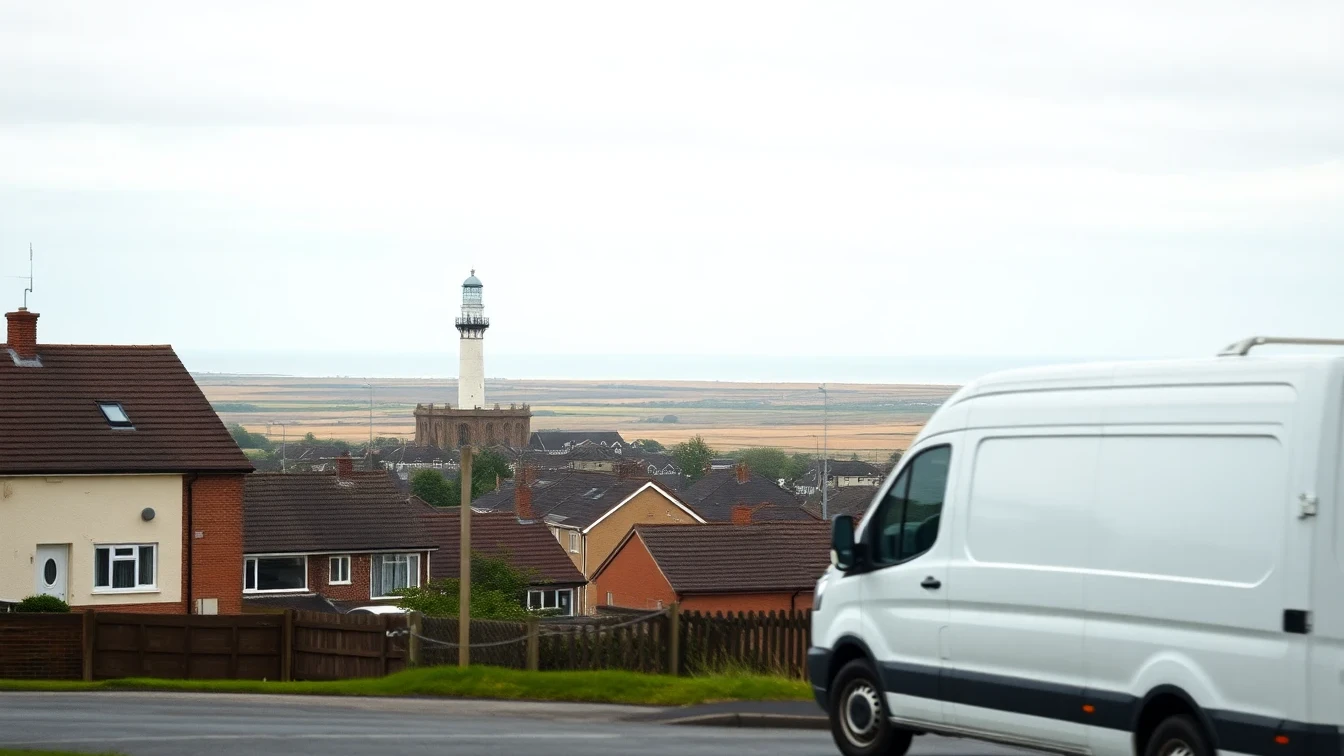
Areas and landmarks we serve near Withernsea

Withernsea LighthouseThe Pier TowersThe PromenadeWithernsea BeachValley GardensThe sea defencesQueen StreetMemorial GardensThe Holderness coastThe North Sea

Recent case study in Withernsea

Recent call-out to a Victorian terrace near the promenade: the homeowner reported a persistent drainage odour in the hallway and intermittent slow drainage from a rear bathroom. Our CCTV survey revealed a problem characteristic of Withernsea's coastal ground: the clay drain had settled into a visible sag over a short section where the soft boulder clay had moved unevenly, collecting waste and restricting flow. The exposed cast iron soil stack facing the sea also showed heavy salt corrosion. We excavated the sagging section, which is straightforward in the soft coastal ground, re-laid it on a properly compacted bed with extra support, and replaced the corroded stack section with modern plastic. Result: the odour and slow drainage were resolved and the system protected against further movement. Tip: Withernsea's boulder-clay ground settles over time, so new odours or intermittent slow drainage are worth a CCTV survey to check whether a pipe sag has formed.

Withernsea drainage FAQs

How does Withernsea's seaside location affect drainage?

Withernsea sits low against the North Sea on soft Holderness boulder clay, behind its sea defences. The clay ground holds water and moves readily, so pipes settle and open at the joints, and the high coastal water table keeps the subsoil saturated. Salt-laden air accelerates corrosion of exposed cast iron stacks and vent pipes, especially on properties facing the sea. Together these mean drainage in Withernsea needs more frequent maintenance than at equivalent inland properties.

Should seafront properties in Withernsea worry about storm flooding?

Low-lying seafront and town-centre properties can be vulnerable during the combination of heavy rain and a high tide, when the drainage network's ability to discharge is reduced and surface water can back up. Non-return valves on the main drain connection, well-maintained surface drainage, and awareness of the Environment Agency's coastal flood warnings are sensible precautions for properties near the promenade and sea defences.

What drainage issues are common in Withernsea's Victorian resort housing?

Many of Withernsea's Victorian and Edwardian properties were built as guest houses and later converted to permanent homes or holiday lets, so their ageing clay drainage was laid for different patterns of use. Joint failure in the moving clay ground, silting, salt corrosion of exposed metalwork and capacity problems are all common. A professional CCTV survey is strongly recommended before buying or renovating these period seaside properties.

Get a Free Quote Request a Callback