Skip to content
Get a Free Quote · 24/7 Emergency
Plumbers In Hull
Blocked drain specialists covering Cottingham, East Yorkshire
Trusted local drainage specialists

Blocked Drains in Cottingham

Local engineers available across Cottingham and surrounding areas for urgent and planned drainage work.

  • Fast response across Hull
  • Fixed pricing with no hidden extras
  • Fully insured drainage engineers
  • 24/7 emergency availability
Fast response Fixed pricing Fully insured Local engineers

Request your free quote

Free, no-obligation — we'll call you back fast.

Local response in Cottingham

We attend homes and businesses across Cottingham with rapid callout availability and clear fixed pricing.

  • Typical urgent response target: same day
  • Common callouts: blocked sinks, toilets, and outside drains
  • Coverage includes nearby neighbourhoods and links roads

Where we cover in Cottingham

Drainage in Cottingham

Cottingham, often described as one of the largest villages in England, sits just north-west of Hull where the chalk of the Yorkshire Wolds meets the low-lying clay of the Hull valley. This position at the foot of the Wolds is the single most important factor in the village's drainage. Groundwater draining off the chalk hills to the west emerges as springs and becks along the spring line, keeping the water table high across much of Cottingham and feeding watercourses such as Creyke Beck that carry surface water down towards the River Hull.

The historic core around Market Green, King Street, Hallgate and Northgate is served by some of the oldest drainage in the village. Victorian villas and older cottages here sit on salt-glazed clay pipes, and the combination of a high spring-line water table and ageing joints means groundwater ingress and silting are recurring themes. Because the ground is clay-rich rather than free-draining, surface water is slow to soak away, and gardens and yards can stay saturated long after heavy rain.

Cottingham grew rapidly through the twentieth century as a commuter settlement for Hull, and inter-war and post-war housing fills much of the village between the old core and the surrounding farmland. These homes typically use clay drainage, with some pitch-fibre runs from the 1950s to 1970s that are now well past their best. The more recent estates on the edges of the village have modern plastic systems, but they connect into the same low-lying network and share the same high-water-table conditions.

The presence of Castle Hill Hospital and the associated development on the western edge of the village, where the land begins to rise onto the Wolds, adds a mix of institutional and larger residential drainage. Properties on the higher, chalkier ground drain more freely than those down in the clay of the village centre, so drainage behaviour can vary noticeably over a short distance.

Yorkshire Water is the water and sewerage undertaker for Cottingham, and the combined and surface water networks can be tested during prolonged wet weather when the spring line is running high. Property owners in the lower, older parts of the village benefit from keeping gullies clear and watching for the slow drainage that signals silt build-up in the clay pipes.

Our engineers understand Cottingham's spring-line setting and the mix of period, mid-century and modern housing it contains. Whether clearing silt from a Victorian villa near Market Green, managing root intrusion in a leafy inter-war street, or checking a modern estate connection, we bring local knowledge of this distinctive Wolds-edge village.

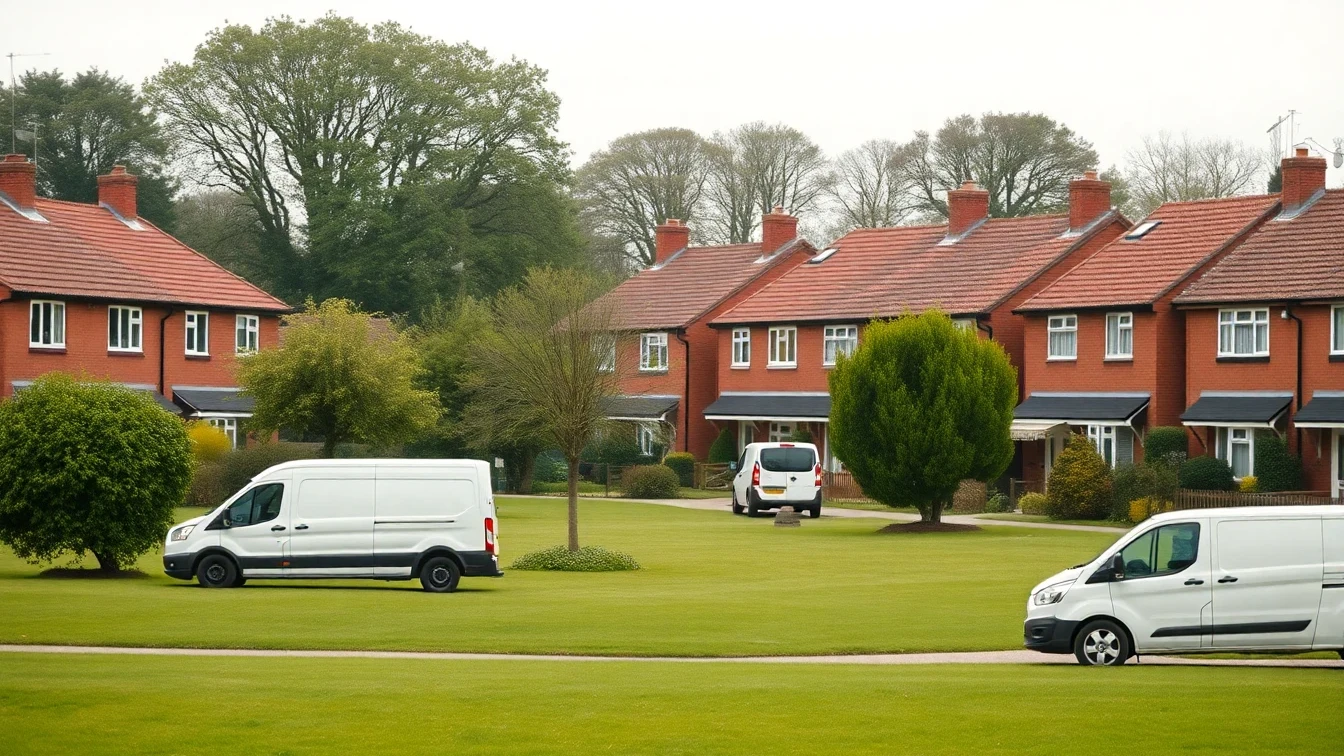
Areas and landmarks we serve near Cottingham

Cottingham Market GreenSt Mary's ChurchKing StreetHallgateNorthgateNewgate StreetCottingham railway stationCastle Hill HospitalCottingham Parks Golf ClubSnuff Mill LaneCreyke BeckThe Yorkshire Wolds

Recent case study in Cottingham

Call-out to a Victorian villa near Market Green: the owner reported slow drainage and a persistent damp patch in the rear garden that worsened after wet spells. Our CCTV survey found the salt-glazed clay drain had several open joints where the high spring-line water table was allowing groundwater to seep in, and silt had built up along a shallow section, reducing capacity by around a third. We cleared the silt with controlled high-pressure jetting and, because the pipe was otherwise sound, sealed the worst joints with a localised no-dig repair rather than excavating the mature garden. We also advised improving the fall on a section of surface drain feeding towards Creyke Beck. Result: restored flow and an end to the boggy garden. Tip: in Cottingham's older, low-lying streets, treat drainage maintenance as ongoing rather than one-off, because the high spring-line water table steadily works silt and groundwater into ageing clay pipes.

Cottingham drainage FAQs

How does Cottingham's position at the foot of the Wolds affect drainage?

Cottingham sits where the chalk Wolds meet the clay of the Hull valley, so groundwater draining off the hills emerges as springs along the spring line and keeps the water table high across much of the village. The clay-rich ground is slow to absorb surface water, so gardens and yards stay wet after heavy rain and drainage backs up more readily than on free-draining ground. Watercourses such as Creyke Beck carry surface water away, but during prolonged wet weather the whole network runs high. Keeping gullies and surface drains clear is especially important here.

What drainage issues are common in Cottingham's older properties?

The Victorian villas and older cottages around Market Green, King Street and Hallgate are served by ageing salt-glazed clay drainage. Combined with the high spring-line water table, this leads to groundwater seeping in through open joints, gradual silting that slows flow, and root intrusion from the mature trees that line many of the older streets. A CCTV survey is the best way to establish the true condition of these older systems before problems develop into blockages.

Do modern Cottingham estates have drainage problems too?

Modern estates on the edges of Cottingham have plastic drainage laid to current standards, but they connect into the same low-lying network and share the village's high-water-table conditions. New developments also increase the area of hard surfaces, which can add to surface water flows during heavy rain. Homeowners should maintain any soakaways or surface drains on their plot and be aware that settlement in the first years after construction can occasionally affect connections.

Get a Free Quote Request a Callback