Skip to content
Get a Free Quote · 24/7 Emergency
Plumbers In Hull
Blocked drain specialists covering Beverley, East Yorkshire
Trusted local drainage specialists

Blocked Drains in Beverley

Local engineers available across Beverley and surrounding areas for urgent and planned drainage work.

  • Fast response across Hull
  • Fixed pricing with no hidden extras
  • Fully insured drainage engineers
  • 24/7 emergency availability
Fast response Fixed pricing Fully insured Local engineers

Request your free quote

Free, no-obligation — we'll call you back fast.

Local response in Beverley

We attend homes and businesses across Beverley with rapid callout availability and clear fixed pricing.

  • Typical urgent response target: same day
  • Common callouts: blocked sinks, toilets, and outside drains
  • Coverage includes nearby neighbourhoods and links roads

Where we cover in Beverley

Drainage in Beverley

Beverley, the historic county town of the East Riding, lies north of Hull at the foot of the Yorkshire Wolds. Its drainage character is shaped by more than a thousand years of continuous settlement and by its position where the free-draining chalk of the Wolds gives way to the flatter clay lowland towards the River Hull. The result is an extraordinary range of drainage ages and materials, from stone and clay channels beneath the medieval streets to modern plastic systems on the new estates that ring the town.

Beverley Beck is central to the town's drainage story. This historic canalised watercourse runs from the edge of the town centre down to the River Hull, and for centuries it carried both trade and drainage away from Beverley. Properties in the lower-lying eastern part of the town, towards the Beck and the Hull valley, sit on heavier clay ground with a higher water table and are more exposed to surface water backing up during prolonged rain. The town's combined sewers, managed by Yorkshire Water, can be pushed hard during intense downpours.

The medieval and Georgian core around the Minster, Saturday Market, Wednesday Market and North Bar contains some of the oldest drainage in the East Riding. Georgian townhouses and Victorian terraces here rely on salt-glazed clay pipes and, in places, older stone-lined channels, layered and modified over generations into networks that can be difficult to map without a camera survey. Tree roots from the mature planting around the Westwood and the town's older gardens are a persistent source of intrusion.

On the higher, chalkier ground towards the Westwood and the Wolds, drainage is generally freer, but the many substantial period villas here have long private drain runs and extensive grounds where root intrusion and settlement are common. The pasture of the Westwood itself, one of Beverley's defining open spaces, marks the transition to the well-drained chalk uplands.

Modern housing on the northern, eastern and southern edges of Beverley has drainage laid to current standards, but rapid growth has increased the area of hard surfacing, and new connections into the older network can create local capacity pressures during storms. Managing surface water well is increasingly important as the town expands.

Beverley's blend of ancient core, Victorian residential streets, and modern suburban growth means no two jobs are alike. Whether we are relining a clay drain beneath a Georgian townhouse near North Bar, clearing roots from a villa near the Westwood, or checking a new connection on an edge-of-town estate, our engineers bring an understanding of the town's Wolds-foot setting and its layered drainage history.

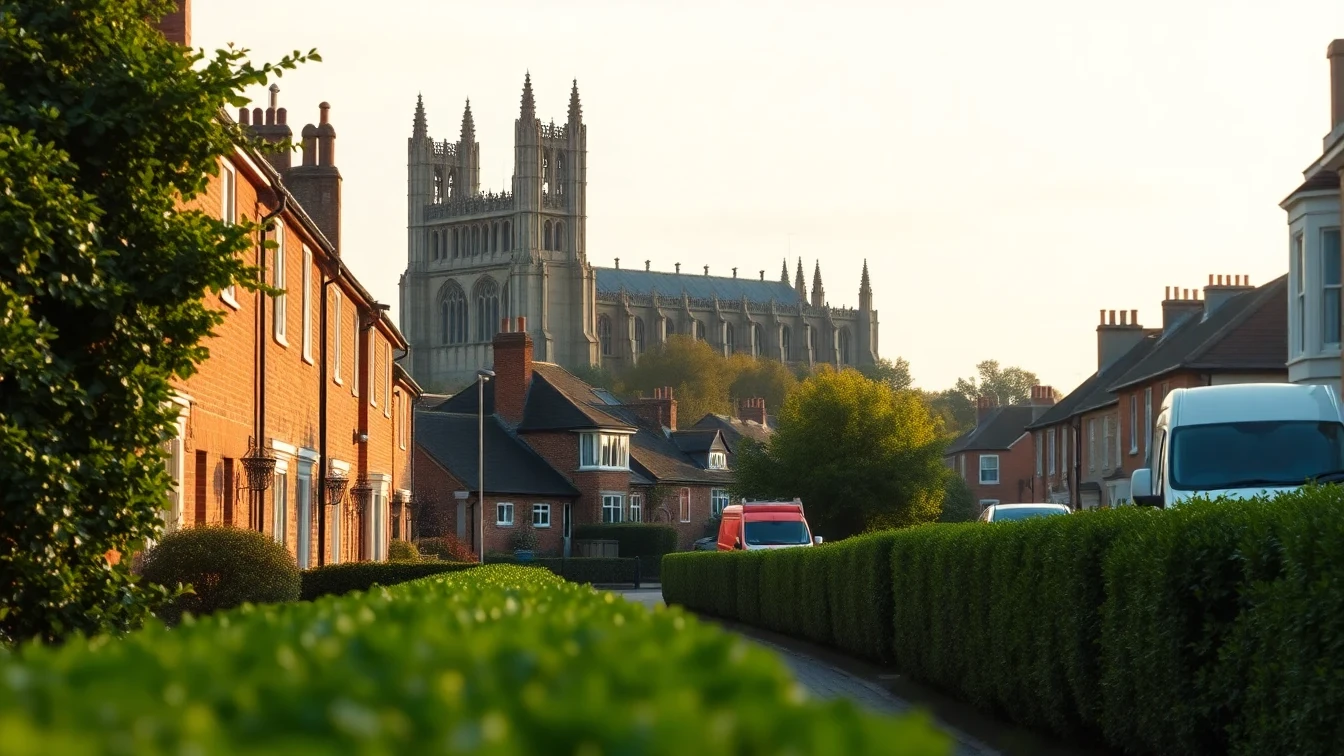
Areas and landmarks we serve near Beverley

Beverley MinsterSt Mary's ChurchBeverley WestwoodBeverley RacecourseNorth BarSaturday MarketWednesday MarketBeverley BeckThe Treasure HouseFlemingateThe GuildhallThe Yorkshire Wolds

Recent case study in Beverley

Recent call-out to a Georgian townhouse near North Bar: the owner reported recurring blockages that worsened after heavy rain, with waste backing up through a ground-floor gully. Our CCTV survey revealed a partially displaced clay pipe where it passed beneath a boundary wall, a common failure point where ground movement stresses ageing drainage, together with silt that had reduced capacity along the lower section towards Beverley Beck. We cleared the silt with high-pressure jetting and installed a structural reline across the displaced section, avoiding excavation of the historic frontage and paved courtyard. Given the property's position in the lower part of town, we also fitted a non-return valve to protect against surface water backing up in storms. Result: restored drainage with lasting protection against both pipe failure and backflow. Tip: in Beverley's older, lower-lying streets, a non-return valve is a modest investment that prevents costly flood damage during heavy rain.

Beverley drainage FAQs

Does Beverley have a flood or surface water risk?

The lower-lying eastern part of Beverley, towards Beverley Beck and the Hull valley, sits on heavier clay ground with a higher water table and is more exposed to surface water problems during prolonged rain. The town's combined sewers can surcharge in intense downpours, and Beverley Beck itself carries water down to the River Hull. Property owners in the lower parts of town should keep gullies and surface drains clear, consider non-return valves where appropriate, and check the Environment Agency flood maps for their specific location.

What drainage issues affect Beverley's historic town centre?

The medieval and Georgian core around the Minster, the market places and North Bar has some of the oldest drainage in the East Riding, including salt-glazed clay pipes and, in places, older stone-lined channels layered over generations. These systems can be hard to map, prone to root intrusion from mature town-centre trees, and vulnerable at the joints. A CCTV survey is essential before buying or renovating a period property here, so the true drainage layout and condition are known.

Are new-build homes on Beverley's edges free of drainage problems?

Modern estates around Beverley have drainage laid to current standards, but they are not immune to issues. Rapid growth has increased hard surfacing and surface water flows, and new connections into the older town network can create local capacity pressures during storms. Settlement in the first years after construction can occasionally affect connections. New-build owners should understand how their drainage connects to the wider network and keep any soakaways and surface drains on their plot well maintained.

Get a Free Quote Request a Callback