Skip to content
Get a Free Quote · 24/7 Emergency
Plumbers In Hull
Blocked drain specialists covering Driffield, East Yorkshire
Trusted local drainage specialists

Blocked Drains in Driffield

Local engineers available across Driffield and surrounding areas for urgent and planned drainage work.

  • Fast response across Hull
  • Fixed pricing with no hidden extras
  • Fully insured drainage engineers
  • 24/7 emergency availability
Fast response Fixed pricing Fully insured Local engineers

Request your free quote

Free, no-obligation — we'll call you back fast.

Local response in Driffield

We attend homes and businesses across Driffield with rapid callout availability and clear fixed pricing.

  • Typical urgent response target: same day
  • Common callouts: blocked sinks, toilets, and outside drains
  • Coverage includes nearby neighbourhoods and links roads

Where we cover in Driffield

Drainage in Driffield

Driffield, known as the Capital of the Wolds, is a genuine market town roughly twenty miles north of Hull, set among the chalk hills and chalk streams of the Yorkshire Wolds. It is a place in its own right rather than a suburb of any city, and its drainage reflects a rural market-town history built around agriculture, a canal head, and the crystal-clear becks that rise from the surrounding chalk. Indeed, the springs and becks around Driffield are among the headwaters that feed the River Hull on its journey south to the Humber.

The chalk geology is the defining factor. Beneath and around the town, free-draining chalk means surface water often soaks away quickly, but the same chalk also feeds powerful springs and flashy becks, Driffield Beck and West Beck among them, that rise sharply after heavy rain. Properties close to these watercourses, and to the historic canal head at River Head where the Driffield Navigation once carried grain and goods, can experience high groundwater and localised surface water problems even though the underlying chalk drains well.

The historic core around Market Place, Middle Street and All Saints Church contains Georgian and Victorian buildings served by ageing salt-glazed clay drainage. Layered and modified over generations, these systems are prone to joint failure, silting and root intrusion from the mature trees of the town's older streets and gardens. Because the town centre has been continuously occupied for centuries, drainage layouts here are often complex and best confirmed with a camera survey.

Around the old core, inter-war and post-war housing and more recent estates have expanded the town outwards into the surrounding farmland. These homes use a mix of clay, pitch-fibre and modern plastic drainage, and while the newer systems are laid to current standards, connections into the older network and the speed with which the local becks respond to rainfall mean surface water management remains important in wet weather.

Yorkshire Water is the water and sewerage undertaker for Driffield, and the Environment Agency manages flood risk on the becks and the headwaters of the River Hull. For a chalk-stream market town, the interplay between free-draining chalk and fast-responding becks is the key to understanding local drainage.

Our engineers serve Driffield as the distinct Wolds market town it is, working with period clay drainage in the town centre, managing root intrusion in the older streets, and helping properties near Driffield Beck and West Beck cope with high groundwater and the becks' rapid rises after rainfall. This is genuine Wolds country, and we treat it accordingly.

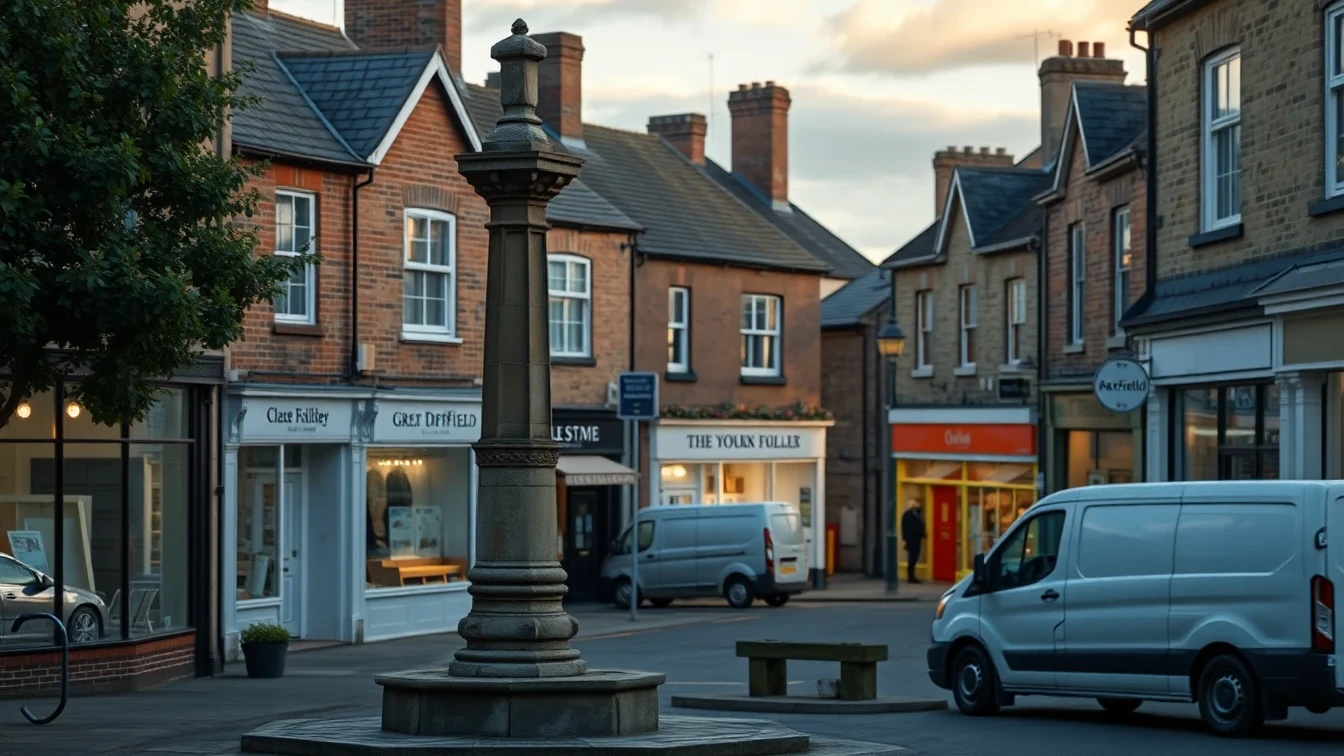
Areas and landmarks we serve near Driffield

All Saints ChurchDriffield ShowgroundThe Driffield NavigationRiver HeadDriffield BeckWest BeckMarket PlaceMiddle StreetThe Yorkshire WoldsThe source springs of the River Hull

Recent case study in Driffield

Recent call-out to a Victorian property off Middle Street in Driffield town centre: the owner reported a persistent damp patch in the garden and slow drainage from a downstairs bathroom. Our CCTV survey revealed a classic town-centre problem, with roots from a mature garden tree entering the ageing clay drain through several deteriorated joints and occupying around 45% of the pipe. The intrusion had also displaced one joint slightly, letting water escape into the surrounding ground and explaining the damp patch. We cleared the roots with high-pressure jetting, then relined the affected 14-metre section to seal the joints and prevent regrowth, and recommended a root barrier between the tree and the drain. Result: the blockage and the boggy garden were both resolved, with lasting protection against re-intrusion. Tip: Driffield properties with mature trees within a few metres of a drain run should have regular CCTV checks, as root intrusion into old clay pipes is almost inevitable and much easier to manage early.

Driffield drainage FAQs

Why is tree root intrusion common in Driffield's older streets?

The historic core around Market Place and Middle Street has mature street trees and long-established gardens, and their root systems actively seek out moisture in the ageing salt-glazed clay drainage beneath. Roots enter through open joints and hairline cracks, gradually filling the pipe before any blockage is obvious. Preventative root cutting followed by pipe relining is the most effective long-term solution for these older Driffield properties.

How do Driffield's chalk streams affect drainage?

Driffield sits among chalk streams such as Driffield Beck and West Beck, which rise from the surrounding Wolds and help feed the headwaters of the River Hull. The free-draining chalk means surface water often soaks away quickly, but the becks react fast to rainfall and their levels can rise abruptly, and groundwater can be high near the watercourses and the historic canal head at River Head. Properties close to the becks should keep surface drains clear and be aware of how quickly local water levels can change.

Should I be concerned about drainage in a period Driffield property?

Period properties around the town centre have salt-glazed clay drainage that may be well over a century old, layered and modified over generations into networks that can be hard to map. Common issues include joint deterioration, silting, root intrusion and reduced capacity from internal scaling. A CCTV survey gives clear information about your specific drainage and helps you plan maintenance before problems develop into emergencies.

Get a Free Quote Request a Callback