Skip to content
Get a Free Quote · 24/7 Emergency
Plumbers In Hull
Blocked drain specialists covering Anlaby, East Yorkshire
Trusted local drainage specialists

Blocked Drains in Anlaby

Local engineers available across Anlaby and surrounding areas for urgent and planned drainage work.

  • Fast response across Hull
  • Fixed pricing with no hidden extras
  • Fully insured drainage engineers
  • 24/7 emergency availability
Fast response Fixed pricing Fully insured Local engineers

Request your free quote

Free, no-obligation — we'll call you back fast.

Local response in Anlaby

We attend homes and businesses across Anlaby with rapid callout availability and clear fixed pricing.

  • Typical urgent response target: same day
  • Common callouts: blocked sinks, toilets, and outside drains
  • Coverage includes nearby neighbourhoods and links roads

Where we cover in Anlaby

Drainage in Anlaby

Anlaby is a western suburb of Hull, sitting immediately outside the city on the road towards the Yorkshire Wolds. Together with neighbouring Willerby, Kirk Ella and West Ella it forms part of the Haltemprice area, and its drainage character comes from its position on the edge of the low-lying Hull valley where the ground begins to rise gently towards the chalk hills to the west. There is no mining legacy and no upland river here; the story is one of a comfortable commuter suburb built out from Hull across clay lowland fed by the spring line at the foot of the Wolds.

The ground beneath Anlaby is largely clay, with a water table that runs high where springs and groundwater draining off the Wolds emerge along the western edge. Clay is slow to absorb surface water, so gardens and low-lying spots can stay wet after heavy rain, and the combined and surface water networks can be tested during prolonged wet weather. As the ground rises very gently towards the west, drainage tends to be freer on the higher edges of the suburb than in the flatter ground nearer Hull.

Anlaby grew rapidly through the twentieth century as Hull expanded westwards, and inter-war and post-war housing makes up much of the suburb. These homes typically use clay drainage, with some pitch-fibre runs from the 1950s to 1970s that are now well past their designed life and prone to blistering and deformation. The older village core around St Peter's Church and Anlaby village centre contains earlier properties on ageing clay and, in places, older brick or stone-lined drainage.

More recent development, including the substantial retail area around Springfield Way and Anlaby Retail Park and modern housing on the edges of the suburb, has added a great deal of hard surfacing and modern plastic drainage. Increased hard surfacing raises surface water flows during heavy rain, and new connections into the older network can create local capacity pressures, so surface water management matters as much here as pipe condition.

Yorkshire Water is the water and sewerage undertaker for Anlaby, and the wider drainage of the Hull valley depends on the same low-lying, pumped and managed network that serves the city. Understanding the clay ground, the high spring-line water table on the western edge, and the mix of village-core, mid-century and modern housing is the key to keeping local drainage reliable.

Our engineers work throughout Anlaby and the surrounding Haltemprice villages, from relining ageing clay and pitch-fibre drains in the inter-war and post-war streets to checking connections around the newer developments. Wherever the property, we bring drainage knowledge specific to this western edge of Hull.

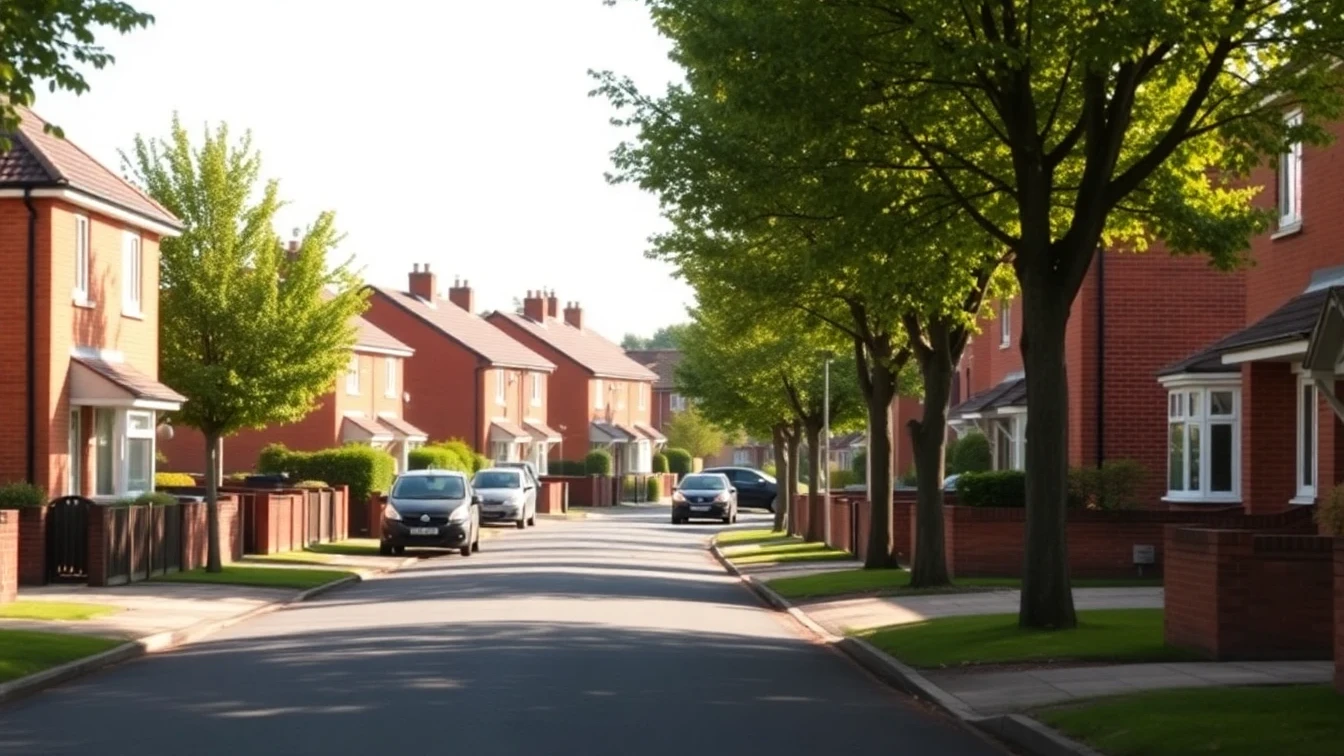
Areas and landmarks we serve near Anlaby

Anlaby village centreSt Peter's ChurchSpringfield WayAnlaby Retail ParkAnlaby CommonAnlaby Park RoadHaltempriceWillerbyKirk EllaThe western edge of Hull

Recent case study in Anlaby

Call-out to a post-war semi-detached property in Anlaby: the homeowner reported that the kitchen and bathroom drains had become progressively slower over several months, with occasional complete blockages. Our CCTV survey revealed two issues typical of the suburb's mid-century housing. The original pitch-fibre drainage, now over sixty years old, had blistered and delaminated internally, reducing the effective pipe bore by around 40%, and a joint had opened slightly where the clay ground had settled, trapping debris. We cleared the accumulated material with high-pressure jetting, then relined the full 20-metre main run, which both addressed the failed pitch fibre and bridged the open joint to form a new continuous pipe within the old one. Result: the progressive blockages were resolved and the drainage future-proofed against further deterioration. Tip: Anlaby properties from the 1950s to 1970s that suffer gradually worsening drainage should suspect pitch-fibre failure, which a CCTV survey will quickly confirm.

Anlaby drainage FAQs

Does Anlaby have any special drainage risks?

Anlaby sits on clay lowland at the western edge of Hull, where springs and groundwater draining off the Wolds keep the water table high, particularly on the western side. Clay is slow to absorb surface water, so gardens and low spots stay wet after heavy rain and the surface water network can be tested during prolonged wet weather. There is no mining legacy or upland river here; the main considerations are the clay ground, the spring-line water table, and increased surface water from newer hard surfacing.

What drainage issues are common in Anlaby's older housing?

Much of Anlaby is inter-war and post-war housing, and homes from the 1950s to 1970s may still have pitch-fibre drainage that blisters and deforms with age, alongside ageing clay pipes with failing joints. The older village core around St Peter's Church has earlier properties on ageing clay and, in places, older brick or stone-lined drainage. If your property dates from these eras and has never had drainage work, a CCTV survey is strongly recommended to assess condition and plan any remediation.

Do the newer developments around Springfield Way affect local drainage?

The substantial retail area around Springfield Way and Anlaby Retail Park, along with modern housing on the edges of the suburb, has added a great deal of hard surfacing. This raises surface water flows during heavy rain, and new connections into the older network can create local capacity pressures. Homeowners should maintain any soakaways and surface drains on their plot, and be aware that heavy rain can put more load on the shared network than it once carried.

Get a Free Quote Request a Callback